 Enter Sikhi.io
English translation programme
SikhArchive’s English translation programme uses AI developed in house. Consult the library record and original text when citing an edition.
Read the translated books ↗Programme and context →
 SIKHARCHIVE


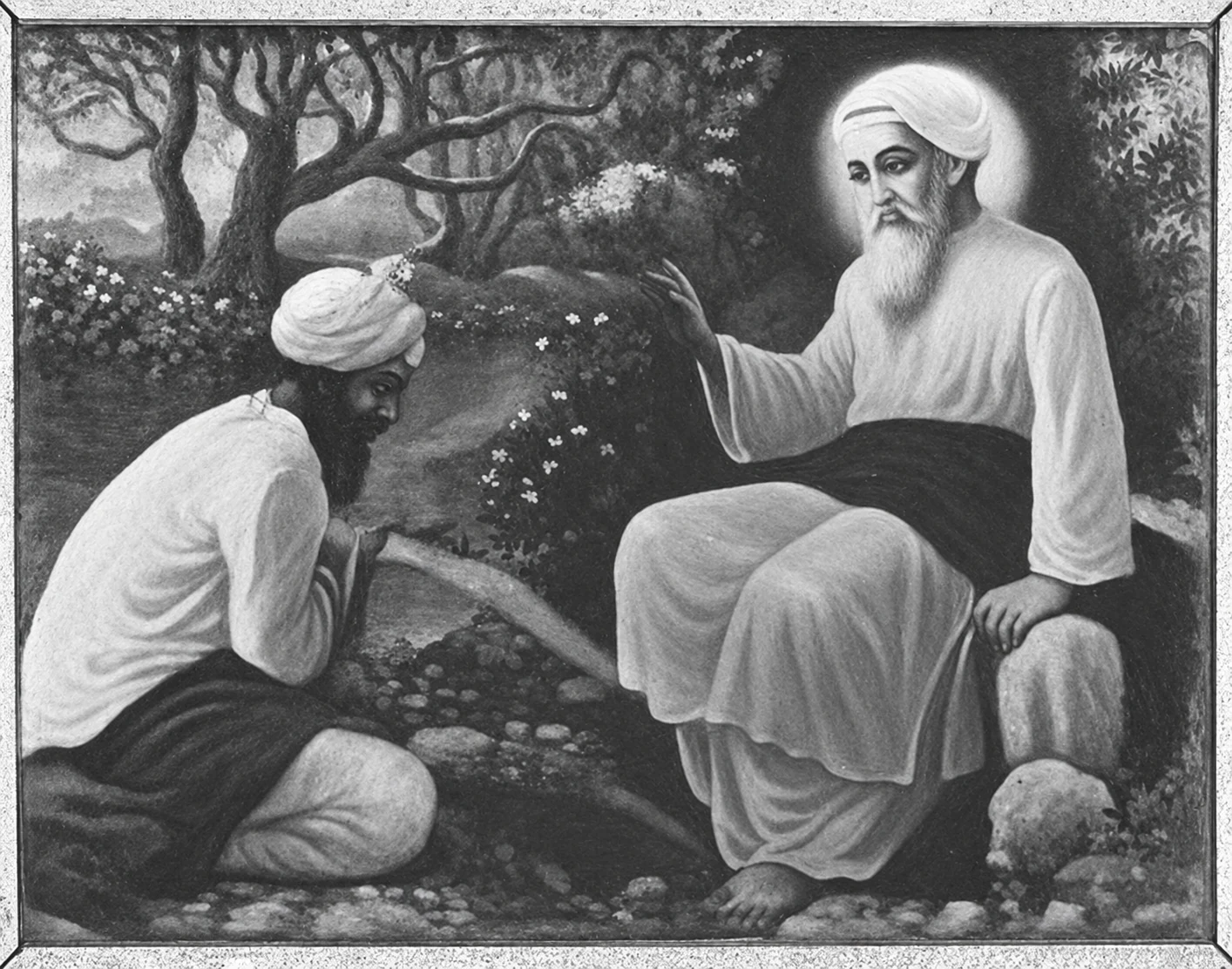
Restored by SikhArchive · 2026
A free and open archive of Sikh scripture, history and heritage. Built through seva, for the scholar, the seeker, and the generations still to come.
SikhArchive is your guide to what is held. Visit Sikhism.io from the main entrance above, or follow the collection links into Sikhi.io to read, search, listen and explore. The international sites provide additional language-specific reading rooms.
Open the scripture reader ↗Follow SikhArchive’s translation, recovery and cataloguing work into the collections on Sikhi.io. Each route brings together what is available, where to find it and how to check its source.
SikhArchive’s English translation programme uses AI developed in house. Consult the library record and original text when citing an edition.
Read the translated books ↗Explore recovered images and SikhArchive restorations alongside source records. Restoration is an interpretation; the original image and its attribution remain essential research references.
Open the image collection ↗The collection index explains 52 selected Sikhi.io entries across nine fields. The research programme also reports 38,666 audio metadata records in the indexed kirtan, simran and katha archive.
Browse the collection index ↗SikhArchive explains the collections, programmes and research context. Sikhi.io hosts the readers, library, gallery and other collection tools. Use the collection index to reach the material directly.
SikhArchive is an open-access guide. Access details and any account requirements for linked tools are provided by each destination. Open access does not automatically grant permission to republish every source.
Record the work’s title, author or attributed creator, edition, source URL and access date. Identify the translation or restoration separately from the original. For an image, follow its source record for the creator, date, rights and attribution; retain uncertainty where the catalogue records it.

A curated guide to 52 Sikhi.io collection entries across nine fields of enquiry, with direct links to scripture, books, music, images and reference material.
Explore Bhai Kahan Singh Nabha’s dictionary through a multilingual dataset, with original-source context, translation coverage and open access.

Explore reported holdings across scanned texts, Sikh music, images, literature, encyclopedias, historical events and worldwide gurdwara records.
Discover SikhArchive’s human-verified English translation programme, and find the translated books in the library.
Explore proprietary AI text research, the recovery and restoration of Sikh images, and 38,666 indexed kirtan, simran and katha recording metadata records.
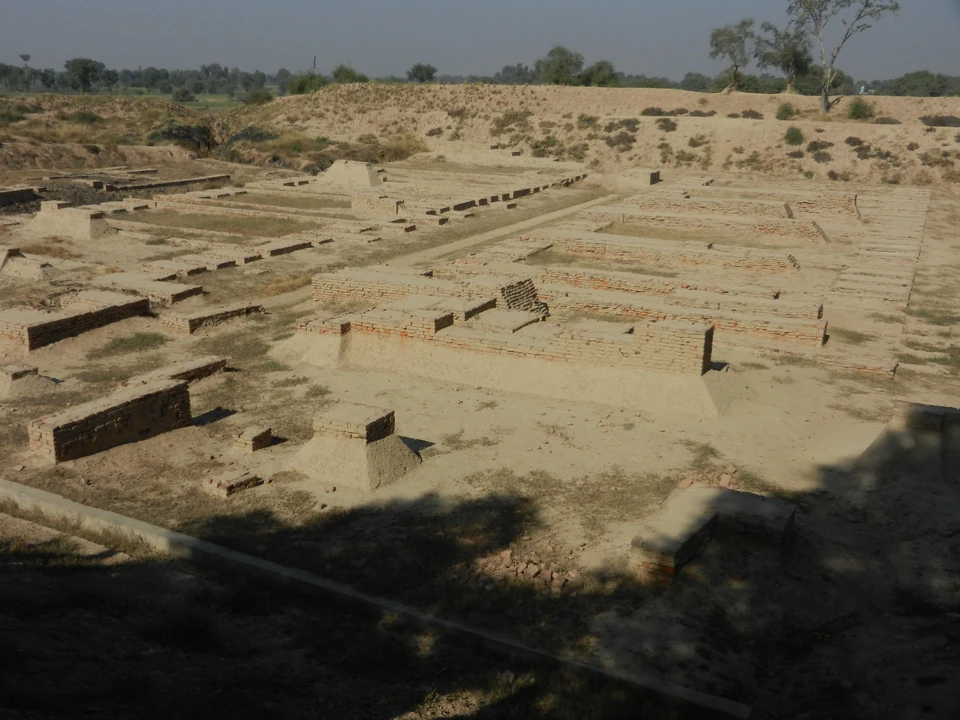
Explore Panjab’s history, ancestry and sovereignty through the Indus world, Indic traditions and Sikh Empire, with references and research context.
Harappa · Muhammad Bin Naveed · CC BY-SA 3.0 · Source & licence on the ancestry page
Discover Sikhi University’s open courses and learning journeys in Sikh theology, history, philosophy, language, music and modern skills.
Explore PanjabiUni’s Gurmukhi language school, historical dictionaries and open faculty teaching technology, agriculture and world literature through Panjabi.
Explore SikhArchive’s connected research and education platforms alongside international language editions.

Contact SikhArchive to share historical sources, ask research questions, suggest corrections or contribute to the archive: akaal@sikhi.io.

Learn about SikhArchive’s open-access mission, community contributions and preservation of Sri Guru Granth Sahib Ji using decentralised storage technology.